Subtotal $0.00

AABC member Cody Shook, PE, TBE, CxA breaks down “Diagnosing System Effect
Common causes & where to start” for IFMA.
A must-read for anyone working in TAB, commissioning, or HVAC troubleshooting.
Anyone who engages in the testing, adjusting, balancing or just plain troubleshooting of any fan knows all too well that phenomenon of things just not making sense. The reality is that the confluence of airflow, total static pressure and brake horsepower all lining up at that magical juncture on the fan curve seldom happens. Why is that?
There are several reasons. One obvious answer that any seasoned technician might give you is that the likelihood of “lab conditions” in the field is rare. Things such as straight duct runs, reasonably accessible traverse and static locations, and regular everyday air turbulence may all contribute to the frustration of trying to make your field-measured fan data match its submitted fan curve. While training as a technician and learning on the job, I remember thinking to myself that “system effect” was just a catch-all term for any time a system was not making design, and we were simply out of ideas as to why. I was not necessarily wrong, but what is system effect really?

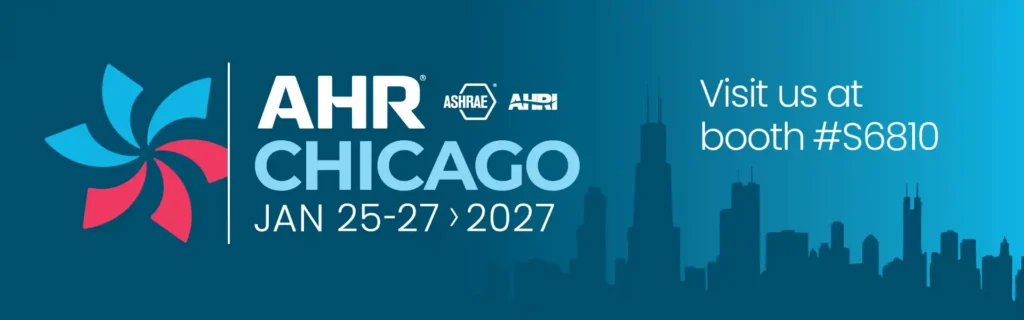
The Energy Management Association (EMA), Associated Air Balance Council (AABC) and AABC Commissioning Group (ACG) will exhibit together at the 2027 AHR Expo, taking place January 25–27 at McCormick Place in Chicago.
Recognized as one of the HVACR industry’s leading events, the AHR Expo will bring together more than 1,900 manufacturers and suppliers showcasing the latest solutions in heating, cooling, refrigeration, ventilation, plumbing, indoor air quality, building automation, sustainability, software, and instrumentation.
Attendees can also take advantage of a wide-ranging education program featuring industry seminars, expert panel discussions, new product presentations, live podcasts, and opportunities to earn professional development hours. Topics will include commissioning, testing and balancing, energy efficiency, building management, standards and codes, workforce development, smart controls, decarbonization, and other key issues shaping the industry.
Visit booth #S68110 to meet representatives from EMA, AABC and ACG and learn more about industry-leading certifications, technical education, professional resources, events, and membership opportunities for energy management, testing and balancing, and building commissioning professionals.
We look forward to connecting with members, partners and industry colleagues in Chicago!