Subtotal $0.00
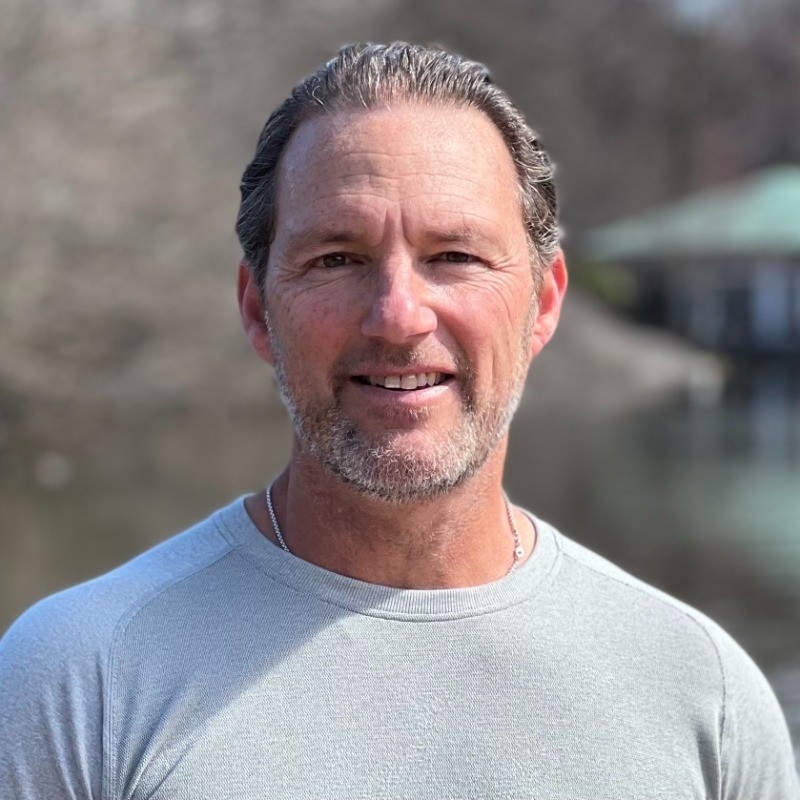
Walter Nusbaum, The Nusbaum Group
What if the secret to unlocking your organization’s full value wasn’t found in working harder and simply increasing productivity—but in doubling down on what truly drives long-term growth? In this keynote, we’ll explore the four foundational investments every organization must make—leadership development, culture, employee engagement, and technology/capital—and reveal how these intentional choices give rise to powerful emergent outcomes like brand reputation, customer loyalty, and increased investor value. You’ll discover how smart investment decisions don’t just add value—they create a cycle of momentum that accelerates growth across every area of your business. If growth and increased organizational value is important to you, then this presentation will be of enormous benefit to you as you think through your strategies and planning.
Robert Knoedler, P.E., CxA, EMP, Hanson Professional Services Inc.
Robert Kolnes, TBE, CxA, TABITT
Pete Secor, Evergreen Telemetry
Cleanrooms have critical issues that balancers must take into account. Examples of demanding environments include hospitals (operating suites and patient recovery rooms), dentistry labs, and factories and labs for pharma and semiconductor. Topics and case studies to include: unexpected leakage; air changes; velocity and airflow; equipment certification; make-up air; and room pressure hierarchy (cascade).
Daryl Norris, Engineered Air Balance, Co., Inc.
To what length should a smoke control system be tested by the test and balance agency? Design air volume is indicated on the plan drawings for systems and equipment, seems simple enough. The seventh edition of the AABC National Standards defines Total System Balance as “the process of testing and balancing the heating ventilating and air-conditioning (HVAC system) and related control systems to perform at the design intent and operate at an optimum level. So, what is the intent of these systems and what is the optimum level?
Justin Garner, P.E., TBE, CxA, Engineered Air Balance Co., Inc.
Building on prior sessions that highlight the career progression of a TAB professional, this session will focus on the final TAB career stage, moving into Management. The industry is aware of the technical skills needed to be a TAB professional, namely the TBE certification, but what additional soft skills are asked of these folks in a typical TAB firm? Further, what leadership attributes must a field leader display or develop to make the jump to management? This session will discuss the qualities of a good TAB Manager focused both on leadership as well as organization and business knowledge with the intent of completing the picture of a total career of a TAB professional.
Daniel Joseph, McCarthy Construction
Justin Lewis, TBE, CxA, Pangea Consulting Group
Josh Knight, TBE, Engineered Air Balance Co., Inc.
In our ever-changing dynamic construction industry, schedules keep getting tighter and systems keep getting more complex. The project finish date doesn’t move, but the TAB durations always seem to be compressed. This session will focus on the collaborative interface between the TAB firm and GC from the perspectives of both Contractor MEP coordination and the TAB professional. Early schedule planning and communication protocols as well as effective TAB scoping of MEP support services will be discussed. The challenges faced by the GC in getting systems ready for TAB will be highlighted to better help TAB folks understand where they can help the process.
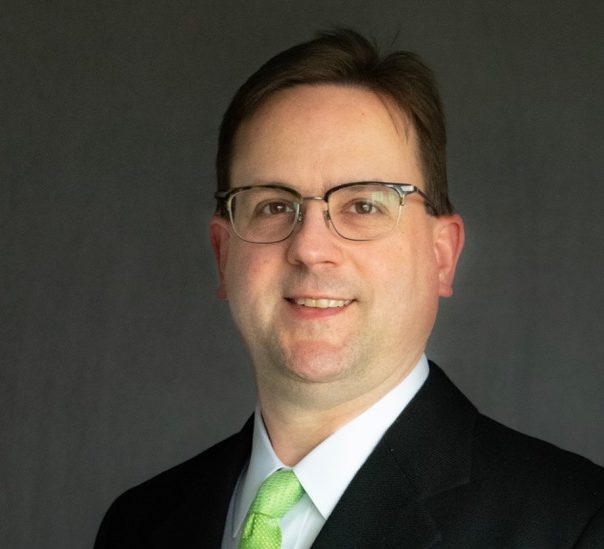
Todd Yates, P.E., TBE, CxA, Synergy Test & Balance
This presentation will explore the operation, testing, and maintenance of Fire and Smoke Dampers. This will include review of codes, standards, and processes for executing initial and ongoing testing of fire and smoke dampers in commercial buildings, particularly critical buildings including healthcare facilities.